A headshot fails quietly. Nobody tells you; they just meet you in a lobby in Concord, glance twice, and recalibrate, because the person in the photograph is a decade younger, twenty pounds different, or wearing a hairstyle that has since retired. That small recalibration is a trust cost, paid at exactly the moment a professional can least afford it.
When a headshot expires
The rule professionals use is simple: update it when you would not be recognized from it across a room, or every two years as maintenance, whichever comes first. Hair changes, glasses, weight changes, and plain aging all count. A new role is another trigger: the portrait that suited a junior employee reads differently on a practice owner, a broker, or a candidate, and Concord's professionals, realtors, attorneys, clinicians, consultants, all trade on being identifiable and current.

What a good session captures
Ask for range. A single expression forces one photograph to serve a company website, a conference program, and a social profile, three audiences with three temperatures. A proper session yields a small set: a warm smile for public-facing uses, a neutral expression for formal contexts, and something in between. Wardrobe follows the same logic: the jacket you actually wear to meet clients, photographed against a plain background that will not fight the layouts the image will be dropped into.
The Concord argument for doing it locally
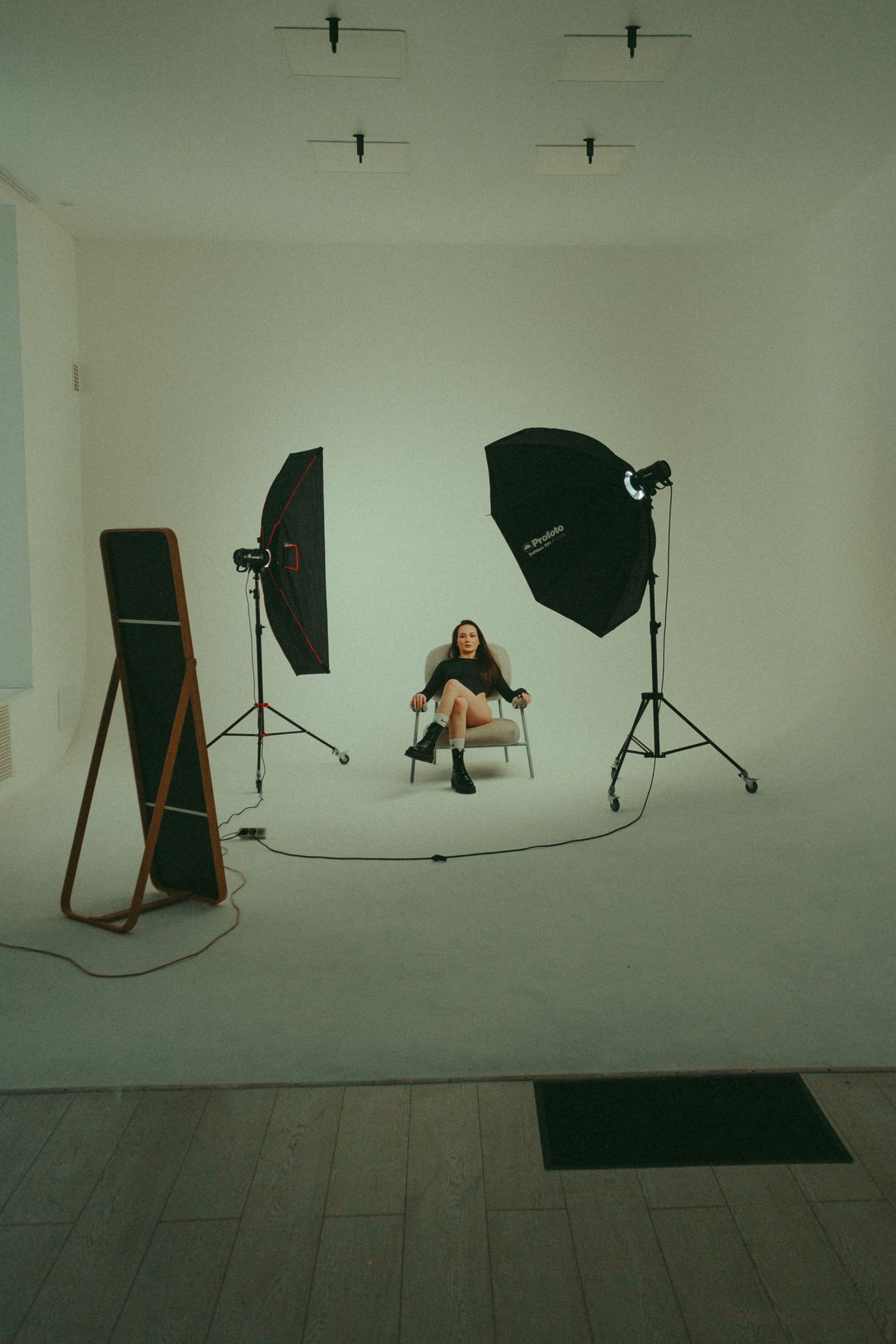
A local studio session is a short appointment, not a production: consultation, one sitting, and proofs to choose from, with a photographer who will direct you out of your camera face because that is the daily work. The alternative, a cropped wedding photo or a phone picture against an office wall, announces itself instantly. People may not name what is wrong, but they register it, the same way they register an out-of-date portrait, as a small gap between the professional presented and the professional in front of them.
What to do with the set afterward
A headshot only works where it is used, so finish the job: replace the image everywhere at once, company site, professional profiles, directory listings, the photograph on file with your conference and your church directory if you have one. A half-updated presence, new portrait on one platform and a decade-old one on another, recreates the recognition problem in digital form, where clients comparison-shop between the two versions of you before they ever meet either.
Keep the full-resolution files somewhere safer than a single phone, and note the date of the session where you store them. The two-year clock runs quietly; a dated file is its own reminder. When the next refresh comes due, the same studio can usually match the background and framing of the previous set, which keeps a team's page or a firm's website looking like one organization photographed on purpose, because it was.
There is a small vanity trap in headshot sessions worth avoiding: choosing the most flattering frame instead of the most representative one. Angles and light can lend anyone a few years or a stronger jaw for an afternoon, and the temptation to accept the gift is real. Resist it past a gentle point. The people who will rely on your portrait, clients in Concord deciding whether to call, employers deciding whether to interview, are owed a face they will recognize across a table, and you are owed the confidence of knowing they already have.
That is the through line in every part of this guide: the appointment rewards the client who arrives informed, says what they need plainly, and treats the service as a working partnership rather than a performance to be judged afterward by anyone, including themselves, on the drive home.
Common questions
How often should I update my headshot?
About every two years, or sooner if your appearance changes noticeably. The test is recognition: could a stranger pick you out of a meeting room from it?
What should I wear for a headshot?
What you wear to meet clients, in a solid color that sits well against a plain background. Bring a second jacket or top for range.
Is a phone photo good enough?
For a casual profile, sometimes. For professional use, lighting, background, and expression direction are visibly different in a studio portrait, and audiences register the difference.
Photos in this guide are representative stock images.
← All guides from Carolina Portrait Designs← Back to Carolina Portrait Designs