People who have never sat for a professional portrait tend to imagine the session as the whole service: an hour in front of a camera, then photographs. In practice the camera time is the middle third. What happens before it decides how relaxed you look, and what happens after it decides whether the portraits end up framed on a wall or lost in a phone. Here is the full sequence as a Concord studio works it.
From first call to framed print
- The consultation. A conversation about who is being photographed, what the portraits are for, and which package fits. A good studio shows its portfolio and lets it make the argument.
- Planning the look. Wardrobe, setting, and grouping decisions made in advance: who stands where, which combinations of family members get their own frames.
- Session day. Arrive a few minutes early, settle in, and expect direction throughout: where to stand, where to look, when to forget the camera entirely.
- The proofing. A set of images to review, usually more than you need, from which the keepers are chosen with the photographer's guidance on print quality.
- Prints and files. Final images delivered as prints, files, or both, in the sizes decided at planning, so nothing waits on a second round of decisions.
What the camera part actually feels like
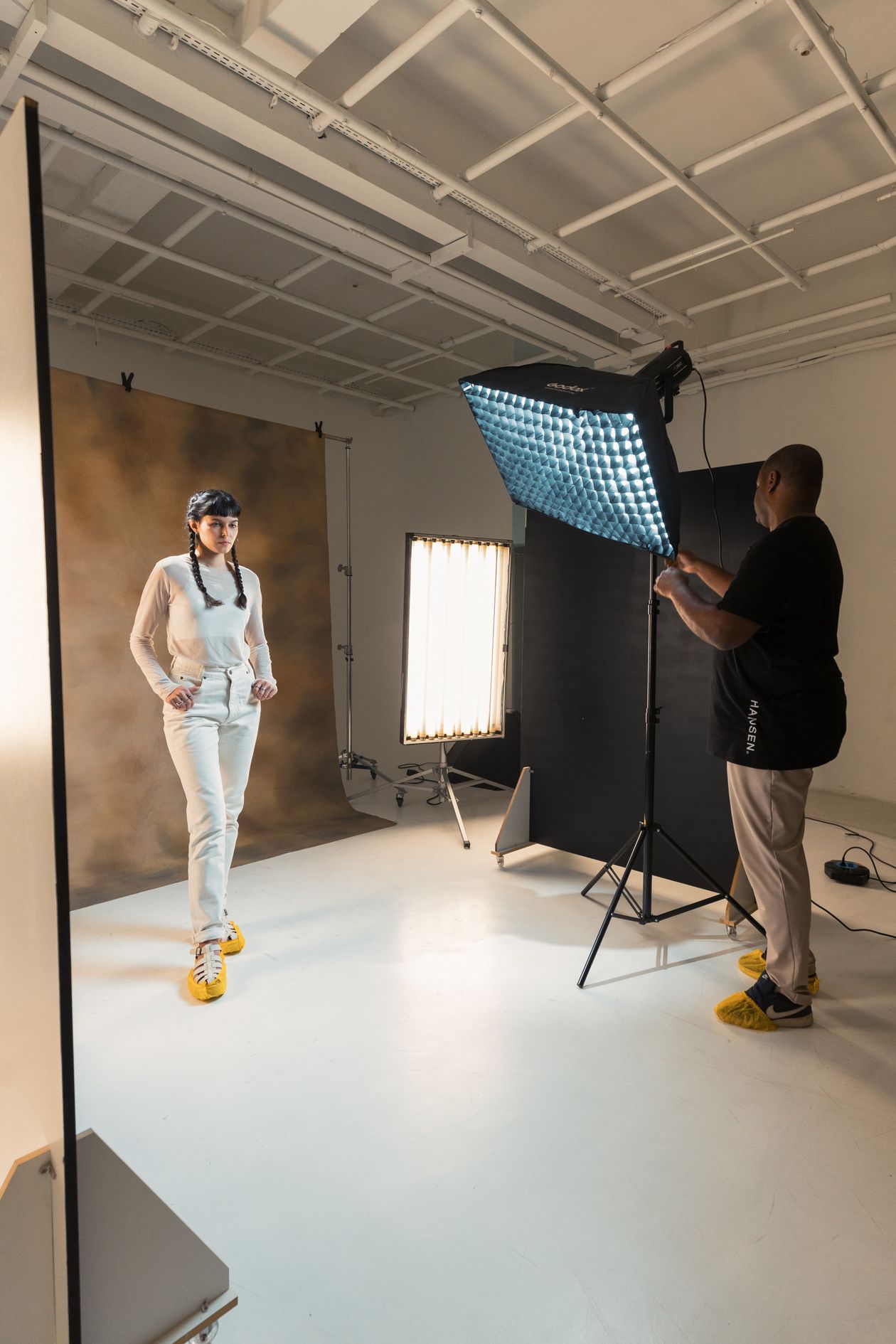
Most first-timers are surprised by how directed it is. A portrait photographer is part technician and part conductor: adjusting a shoulder, asking for a chin an inch lower, making the small talk that produces a real expression instead of a camera face. Children are photographed in bursts between their own agendas, and a good session builds slack into the plan for exactly that. The stiffness most people fear lasts about five minutes; the frames everyone keeps come after it melts.
After the session: choose like it matters
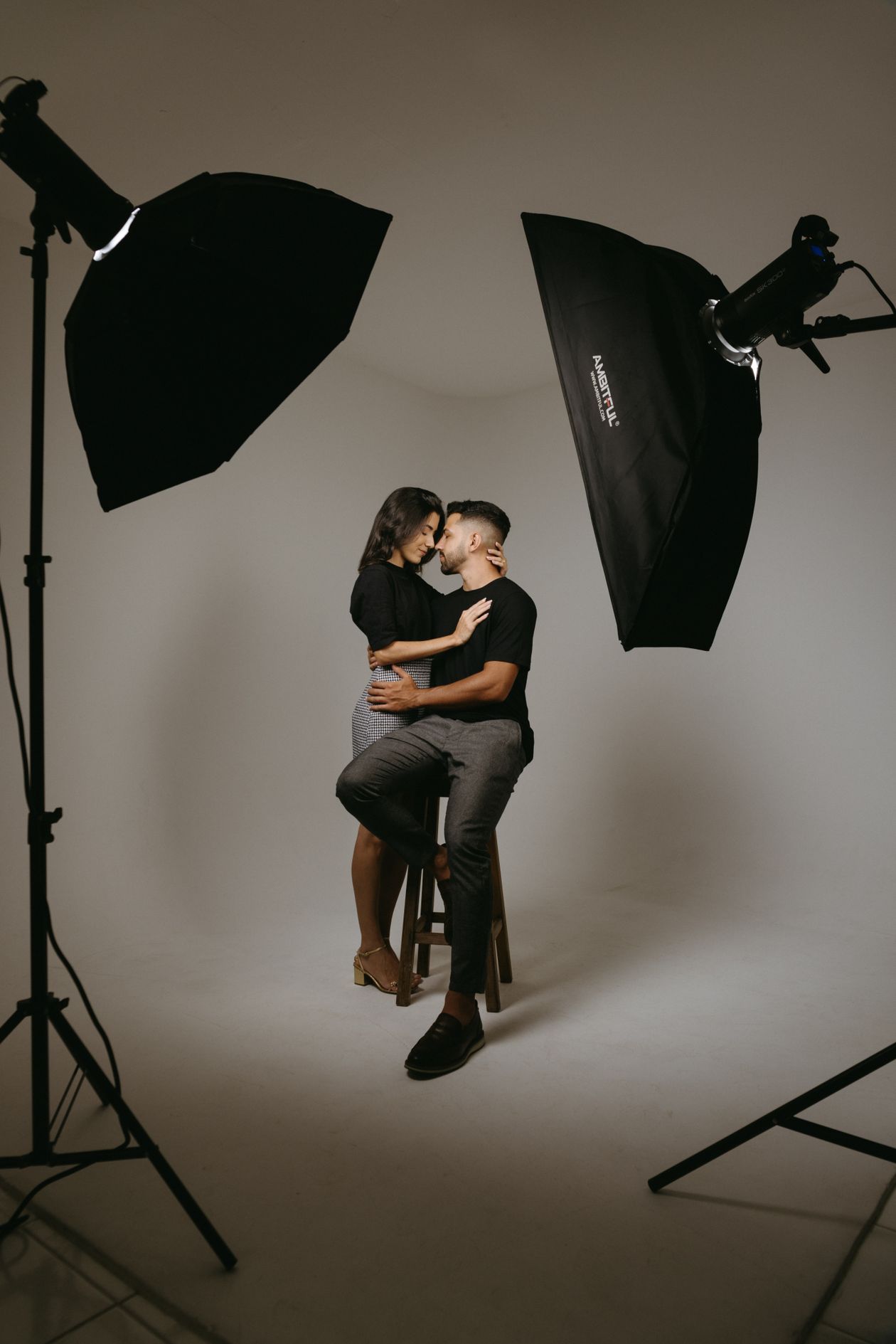
Proofing is where portraits are won. Choose the expressions first and the technical details second, print the one great family frame large rather than five decent ones small, and order while the session's feeling is fresh. The studios that preserve memories for generations, as this Concord studio describes its aim, are really preserving decisions made well at this step: the right image, printed properly, while everyone still remembers the day.
Questions worth asking at the consultation
The consultation is your interview as much as the studio's presentation, and a few questions separate a considered booking from a hopeful one. Ask how the proofing works and how many images a typical session yields. Ask what print sizes the studio recommends for a wall versus an album, and whether files are included or separate. Ask how the photographer handles a child having a difficult day, if children are involved, and listen for experience rather than optimism in the answer.
Ask, too, how long the whole arc takes, from session to finished prints, especially if the portraits serve a deadline: a holiday gift, a graduation, a wedding date. None of these questions is confrontational. A professional studio answers them every week, and the fluency of the answers tells you as much about the service as the portfolio on the wall does about the photographs.
Finally, expect the photographs to grow on you in a specific order. Clients often judge proofs harshly in the first viewing, because they see the person they scrutinize in mirrors rather than the person everyone else knows. Put the proofs away for a day if the studio's process allows it, then look again with the question that matters: does this look like us? The frames that answer yes tend to rise to the top on the second viewing, and they are the ones still on the wall when a decade has passed and the first impressions are long forgotten.
That is the through line in every part of this guide: the appointment rewards the client who arrives informed, says what they need plainly, and treats the service as a working partnership rather than a performance to be judged afterward by anyone, including themselves, on the drive home.
Common questions
How long does a portrait session take?
A typical studio session runs about an hour, with consultations and proofing as separate, shorter appointments around it.
What if my children will not cooperate?
Every family photographer expects it and plans for it: short bursts, breaks, and photographing children first while their patience is fresh.
Should I buy prints or just files?
Both have a place, but print the hero image. Files get lost in phone upgrades; a framed portrait on the wall is the version your family will actually live with.
Photos in this guide are representative stock images.
← All guides from Carolina Portrait Designs← Back to Carolina Portrait Designs